Table Of Content
- Norovirus Cases On Cruise Ships Skyrocket: Here’s Why—And How To Avoid Getting Sick
- Norovirus outbreaks surging on cruise ships this year
- Illness outbreaks on cruise ships (annual statistics)
- CDC cruise ship Norovirus reports
- Why do I only hear about Norovirus outbreaks on cruise ships?
- Norovirus outbreaks on cruise ships surge to decade-high levels: How to avoid the stomach bug
- Outbreaks 2012 reports

These models helped visualize continued norovirus transmission and sources of potential exposure (e.g., contaminated surfaces in cabins of persons with AGE and high-touch surfaces in common areas). The Vessel Sanitation Program (VSP) requires cruise ships to log and report the number of passengers and crew who say they have symptoms of gastrointestinal illness. Learn more about illnesses and outbreaks reported to VSP and find information about outbreaks of gastrointestinal illness on cruise ships. The CDC's "Vessel Sanitation Program" is for monitoring illness outbreaks on passenger ships carrying 100 or more guests on sailings from 3 to 21 days in length. This is done 24 hrs prior to arrival at any US port of call from a foreign port. This protocol only confirms that the CDC knows everything about it.
Norovirus Cases On Cruise Ships Skyrocket: Here’s Why—And How To Avoid Getting Sick
And recent data from the CDC has noted that over 15% of norovirus tests are coming back positive. Whether you cruise multiple times per year or you're new to cruising, the goal of Royal Caribbean Blog is for it to be a useful resource for keeping up to date with what's new and exciting with Royal Caribbean. Started in 2010, Royal Caribbean Blog offers daily coverage of news and information related to the Royal Caribbean cruise line along with other relevant topics of cruising, such as entertainment, news, photo updates and more. Instead, you could pack hydrogen peroxide wipes (just don’t flush them down the toilet). We recommend these Clorox Healthcare Hydrogen Peroxide Wipes for taking with you on your ship (Link contains affiliate link, which costs you nothing extra to use!). It is worth noting the CDC outbreaks page does list Celebrity Constellation as having an outbreak in January 2024.
Norovirus outbreaks surging on cruise ships this year
Norovirus outbreaks surging on cruise ships this year - CBS News
Norovirus outbreaks surging on cruise ships this year.
Posted: Wed, 12 Jul 2023 07:00:00 GMT [source]
The CDC says cruises account for some of the lowest case numbers in the U.S. annually. On ships where outbreaks occur, the crew conducts a deep cleaning of the ship after passengers have disembarked and before the next sailing begins. In cases where outbreaks are particularly severe, subsequent sailings could be canceled to allow for more thorough sanitization. It's important to wash your hands with soap and clean water frequently, but especially after using the bathroom or changing diapers, before eating and before touching your face.
Illness outbreaks on cruise ships (annual statistics)
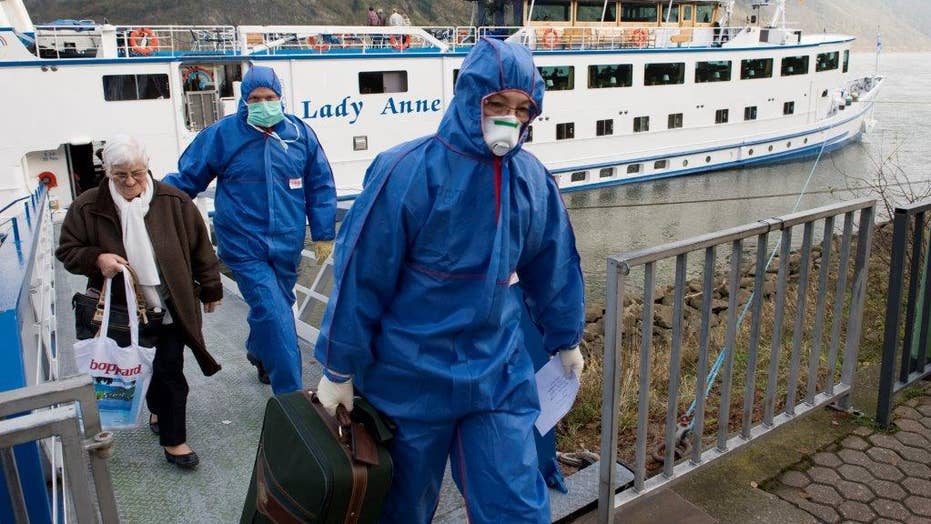
Royal Caribbean offered a full refund to passengers on an Oasis of the Seas sailing that returned to its homeport early due to a Norovirus outbreak onboard. Regardless, because of the media attention reports of the virus on cruise ships attract, Royal Caribbean Group took action to mitigate cases. They ask passengers who feel ill during their cruises to report symptoms to the medical center and keep themselves isolated in their cabins. Norovirus is highly contagious and can spread directly through sick people and contaminated surfaces, food, or drinks. There are no internationally specified regulations governing ship infirmaries and medical staffing. Each company has its own standards provided for its passengers' healthcare.
“While many viruses and illnesses cause a fever, norovirus does not always cause one,” said Dr. William Schaffner, an infectious disease expert at Vanderbilt University Medical Center in Tennessee. Even before this new initiative was put into place, the CDC acknowledges that risks are quite low on cruise ships compared to your chances of catching it elsewhere on land. In short, the math points to it being an unlikely scenario for you to encounter.
While each virus has a different ability to transmit, norovirus is a highly transmissible infection. According to the CDC, each person who is infected with norovirus sheds billions of viral particles. Many of the symptoms last for just two or three days and while it may come on and leave quite quickly in comparison to other viruses, during the time the symptoms are present, it can be extremely uncomfortable. Norovirus is a viral infection that is one of the most common types of gastroenteritis — a condition that causes nausea, vomiting, diarrhea, and abdominal upset.
▪ Norovirus is the “leading cause of vomiting and diarrhea and food-borne illness in the United States,” with more than 2,500 norovirus outbreaks reported every year, according to the CDC. While there have been 13 outbreaks of norovirus on cruise ships this year, Labus explained that not every cruise passenger is going to be exposed to the virus. Still, taking certain steps to prevent the likelihood of getting sick is never a bad idea. What’s more, the CDC has established a rigorous Vessel Sanitation Program (VSP) to help prevent the overall spread of illnesses on cruise ships.
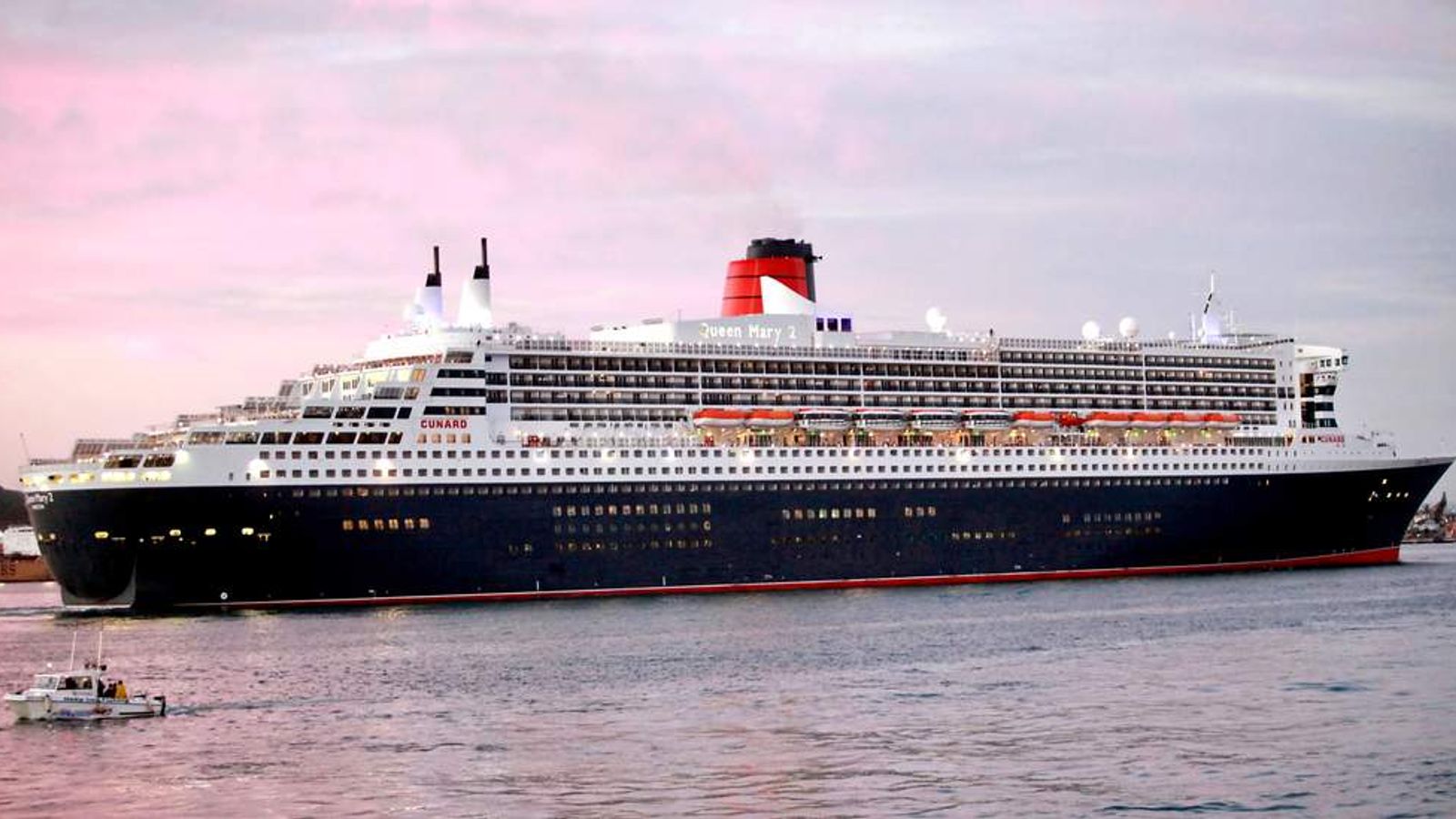
That said, the chances of catching the bug on a cruise ship aren’t particularly high. According to the Cruise Lines Industry Association, the risk each year of getting laboratory-confirmed norovirus during a ship outbreak is about 1 in 5,500. Over half of all cases originate in long-term health care facilities, according to the CDC, while less than 1 percent of all norovirus cases come from cruise ships. The design and operation of cruise ships often involve large groups of people living in close proximity, sharing dining areas, entertainment spaces, and public restrooms. This makes it easy for norovirus to spread rapidly from person to person.
Norovirus is often branded as "cruise ship virus" simply because on ships health officials are required to report every gastrointestinal illness incident. This means Norovirus outbreaks are reported more quickly on ships than on land. Just for comparison, the virus can afflict as many as 3000 people per day in only one big city, which is about the passenger capacity of a typical modern cruiser.
According to the CDC, the most common symptoms of norovirus are diarrhea, vomiting, nausea and stomach pain. The recent surge in Norovirus outbreaks underscores the necessity of vigilance and proper understanding of this issue, both for those planning a dream vacation at sea and for those in the cruise industry itself. Together, we can work towards ensuring that cruise ships remain a place of relaxation and enjoyment, rather than a breeding ground for this troublesome virus. In light of these recent developments, it’s imperative to explore and understand the nature of Norovirus — what it is, why it’s a recurring issue aboard cruise ships, and its impact on the cruise industry. This article aims to shed light on these matters, unpacking the complexities of the problem, and highlighting the steps that are being taken to address it.
Norovirus is a highly contagious virus that causes acute gastroenteritis, which is inflammation in the stomach or intestines, according to the CDC. Health officials say norovirus is the most common cause of vomiting and diarrhea as well as the most common type of foodborne illness. Norovirus outbreaks spiked on cruise ships this year, with data showing more outbreaks happened between January and June than over the course of any other full calendar year in the last decade. Thirteen norovirus outbreaks have been reported on cruises so far in 2023, according to the U.S. Centers for Disease Control and Prevention, which keeps a record of annual case counts dating back to 1994.
"MSC Cruises rigorously adheres to health protocols, and the results of this inspection do not reflect the brand's high standards," the person added. Instead of serving yourself a gloved crew member will do it for you,” said Chiron. Be sure to read your contract -- on the back of your cruise documents or ticket -- very carefully. The United States is not alone in this increase in norovirus cases.
More than 13% of passengers on the Viking Neptune — 110 of 838 in total — reported being ill while onboard, according to the CDC. Health officials at the CDC determined that norovirus caused the outbreak after Viking Cruises collected and sent specimens to the agency's laboratory for testing. That’s how many people have been infected with the norovirus while aboard cruise ships this year, according to CDC data. The outbreaks happened on Celebrity Cruises, Viking Cruises, Princess Cruises, Royal Caribbean International and P&O Cruises. Norovirus cases aboard cruise ships have spiked for the first time in over 10 years, and experts believe more lenient travel restrictions and an increase in cruise passengers following the Covid pandemic are to blame.
Major (in some cases epidemic) illness outbreaks are among the "biggies" that can bring down the brand's reputation on the market. Cruise illness issues often result in lower booking rates and cheaper prices - which is bad for the business. Obviously, the first thing is to go to the ship's infirmary (medical center) and contact the doctor. You should drink plenty of water as dehydration is a side-effect of the illness. A few years ago an experimental Norovirus vaccine (applied as nasal spray) was developed by the "Center for Infectious Diseases and Vaccinology" (Arizona State University). Norovirus cases have spiked across the United States this year, which some experts say is the result of ending COVID-19 restrictions.
That means data for norovirus on cruise ships is more readily available than for other entities. It's easy to make norovirus case numbers sound alarming, but context matters. For example, 100 cases on a single ship might seem like a lot, but on a vessel like Oasis of the Seas, which carries more than 5,400 passengers, 100 cases are only about 2% of the onboard population. "Health officials track illness on cruise ships. So outbreaks are found and reported more quickly on a cruise ship than on land," reads the CDC's facts page.


No comments:
Post a Comment